


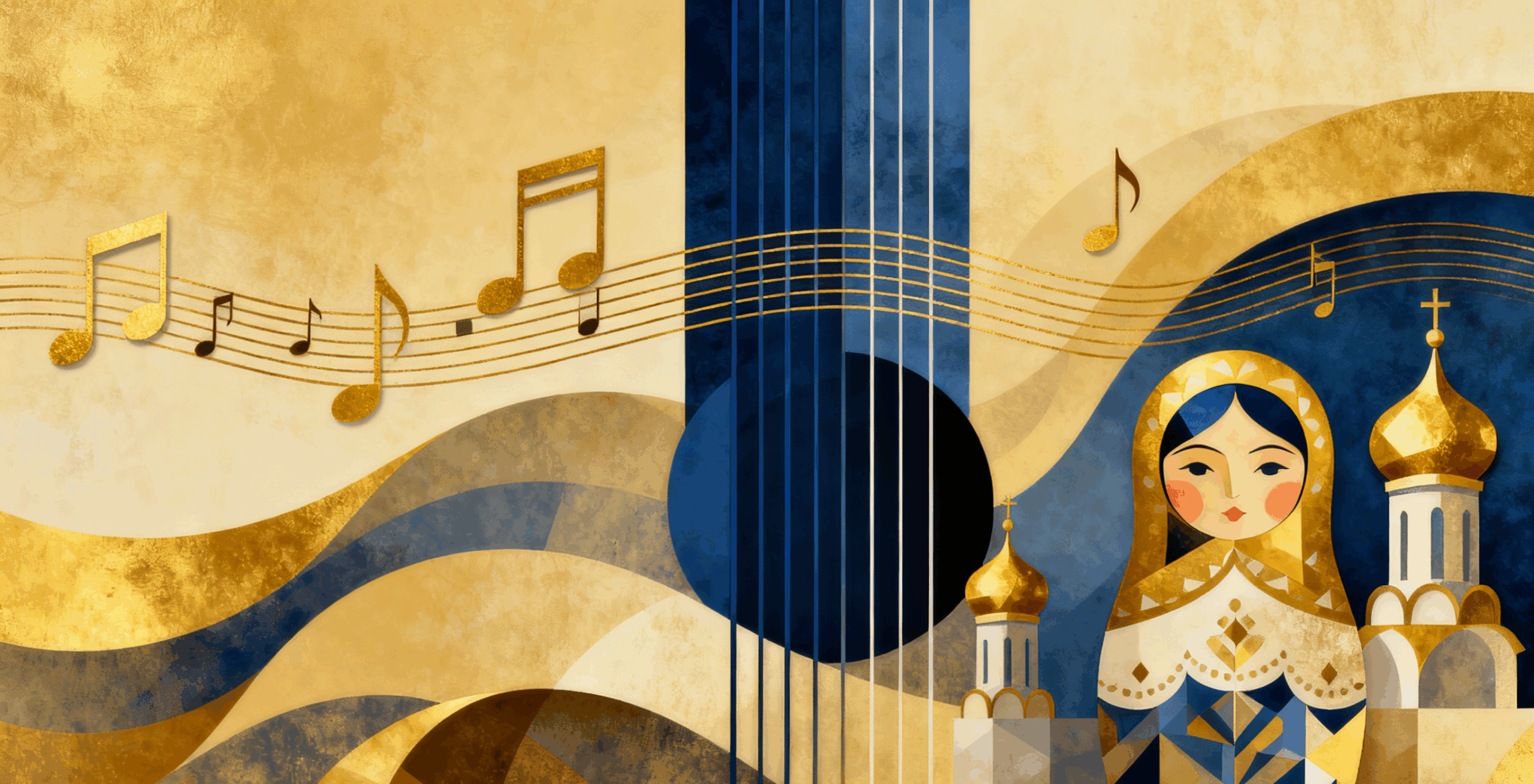
Alexandra Pakhmutova is more than a composer; she is a cultural icon whose music weaved through the fabric of 20th-century Russian life. Born in 1929 in Stalingrad (now Volgograd), her musical talent emerged early, shaped by the resilience of her homeland and the spirit of her generation. Over seven decades, she crafted melodies that blend grandeur with warmth, patriotism with intimacy, leaving an indelible mark on classical, pop, and patriotic music.
A Prodigy’s Path to Composition
Pakhmutova’s journey began at age 5, when she started playing the piano. Her was undeniable—by 11, she enrolled at the Moscow Conservatory’s special school for gifted children, studying under renowned composers like Nikolai Myaskovsky.
- She graduated with honors, mastering both classical composition and orchestration.
- Her early works reflected the optimism of post-WWII Russia, balancing technical precision with emotional depth.
- Unlike many composers of her era, she embraced popular forms, believing music should resonate with ordinary people.
[Image: Young Alexandra Pakhmutova performing at a concert in the 1950s—showcasing her dynamic stage presence as a pianist and composer.]
Melodies That United a Nation
Pakhmutova’s greatest strength lies in her ability to capture collective feelings. Her music became the soundtrack to key moments in Russian history, from space exploration to sports triumphs.
- “Song of the Motherland” (1957): A stirring anthem celebrating national pride, still widely performed at state events.
- “The Volga Flows” (1962): A folk-inspired ballad that honors the country’s iconic river, blending traditional melodies with modern orchestration.
- “Athletes’ March” (1980): Composed for the Moscow Olympics, this energetic piece became a global symbol of unity through sports.
- “Cranes” (1969): A poignant tribute to WWII soldiers, its haunting melody and heartfelt lyrics remain a touchstone of remembrance.
Her collaborations with lyricists like Nikolai Dobronravov (her husband) added poetic depth, making her songs both musically rich and narratively powerful.
[Image: A vintage poster of the 1980 Moscow Olympics, featuring Pakhmutova’s “Athletes’ March” as the official theme—linking her music to a historic global event.]
Legacy Beyond Borders
Pakhmutova’s influence extends far beyond Russia. Her music has been translated into dozens of languages, and her concerts have drawn audiences worldwide.
- She has received countless awards, including the Order of Merit for the Fatherland and the Lenin Prize, recognizing her contribution to culture.
- Young composers still cite her as an inspiration, admiring her versatility and commitment to making music accessible.
- Her songs endure in films, TV shows, and public celebrations, proving that great music transcends time and politics.
[Image: Alexandra Pakhmutova in her later years, meeting young musicians—symbolizing her role as a mentor and torchbearer for future generations.]
Pakhmutova’s story is one of passion, purpose, and connection. Through her music, she turned shared experiences into timeless melodies that continue to move and unite people. Her legacy reminds us that music is not just sound—it is a reflection of the human spirit.
Would you like me to expand on specific works (like “Cranes” or “Athletes’ March”) with more detailed analysis, or add a section about her personal life and collaborations? I can also adjust the tone to be more academic or narrative-based as needed.
Поделиться в:
- Нажмите, чтобы открыть на Facebook (Открывается в новом окне) Facebook
- Нажмите, чтобы поделиться в X (Открывается в новом окне) X
- Нажмите, чтобы поделиться на Reddit (Открывается в новом окне) Reddit
- Нажмите, чтобы поделиться в Telegram (Открывается в новом окне) Telegram
- Нажмите для печати (Открывается в новом окне) Печать
- Нажмите, чтобы поделиться в WhatsApp (Открывается в новом окне) WhatsApp
- Нажмите, чтобы поделиться на LinkedIn (Открывается в новом окне) LinkedIn
- Теги:
- россия
 English
  简体中文
简体中文  Русский
Синьцзэ
Я комментирую